Pavilion Sealing in Kitsap County, WA
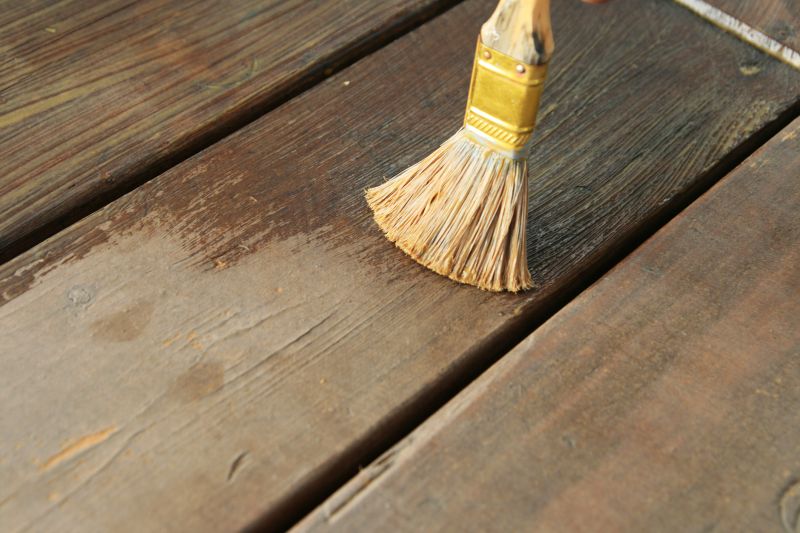
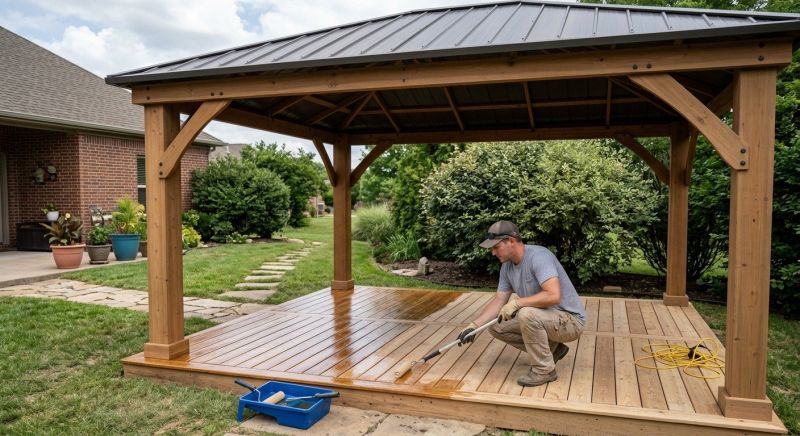
Pavilion sealing services involve applying a protective coating to the surface of pavilions, decks, or outdoor structures to prevent water penetration, weather damage, and deterioration. This service is suitable for a variety of projects, including sealing wooden, concrete, or composite pavilion surfaces, especially those exposed to frequent moisture or harsh weather conditions. Homeowners typically request pavilion sealing to extend the lifespan of their outdoor structures, improve their appearance, and reduce the need for future repairs caused by water damage or rot.
Before requesting pavilion sealing, property owners should consider the current condition of the surface, including any existing damage, cracks, or signs of wear. It’s also helpful to understand the type of material involved and whether any cleaning or surface preparation is necessary prior to sealing. Properly choosing the right sealant and understanding the scope of the project can help ensure effective protection and durability for outdoor pavilion structures.
Many property owners in Kitsap County, WA look into Pavilion Sealing for repairs, replacements, upgrades, and appearance-related improvements.
Benefits Of Pavilion Sealing
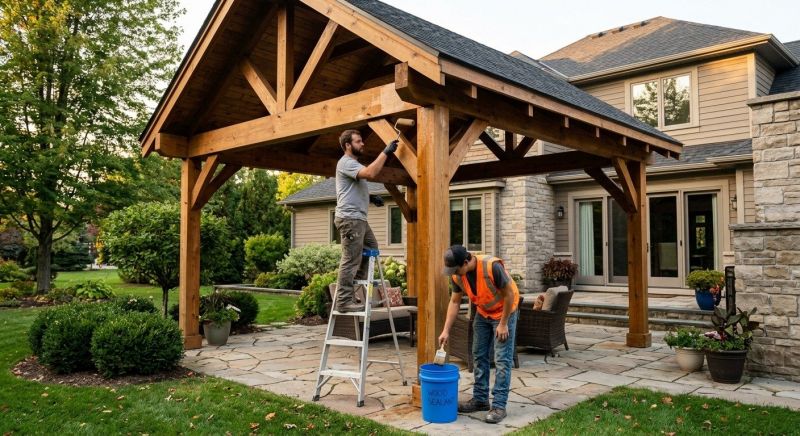
Sealing pavilions helps prevent water damage and extends their lifespan.
Common Pavilion Sealing Projects
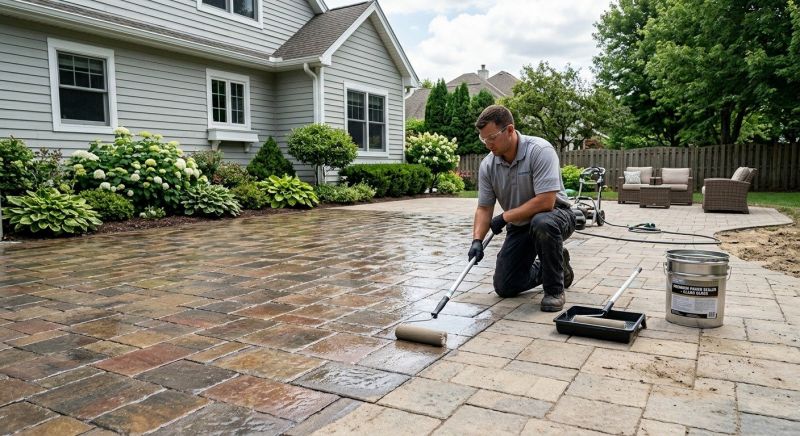
Many property owners in kitsap county seek sealing for outdoor seating areas and covered patios.
Materials And Techniques
Professional sealing uses durable coatings designed to withstand the weather conditions typical in the region.
Pavilion Sealing in Kitsap County, WA
Pavilion sealing services involve applying a protective coating to the surface of pavilions, decks, or outdoor structures to prevent water penetration, weather damage, and deterioration. This service is suitable for a variety of projects, including sealing wooden, concrete, or composite pavilion surfaces, especially those exposed to frequent moisture or harsh weather conditions. Homeowners typically request pavilion sealing to extend the lifespan of their outdoor structures, improve their appearance, and reduce the need for future repairs caused by water damage or rot.
Before requesting pavilion sealing, property owners should consider the current condition of the surface, including any existing damage, cracks, or signs of wear. It’s also helpful to understand the type of material involved and whether any cleaning or surface preparation is necessary prior to sealing. Properly choosing the right sealant and understanding the scope of the project can help ensure effective protection and durability for outdoor pavilion structures.
Many property owners in Kitsap County, WA look into Pavilion Sealing for repairs, replacements, upgrades, and appearance-related improvements.
Common Pavilion Sealing Jobs
Pavilion sealing - helps prevent water infiltration and extends the lifespan of pavilion structures.
Deck sealing - protects wood surfaces from moisture, sun damage, and wear.
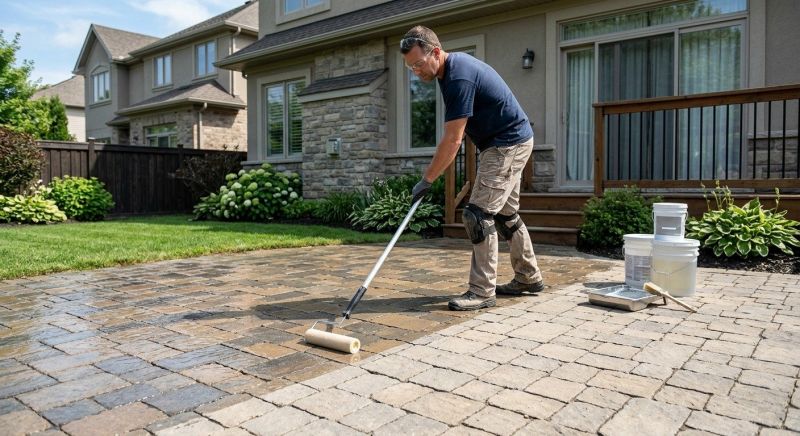
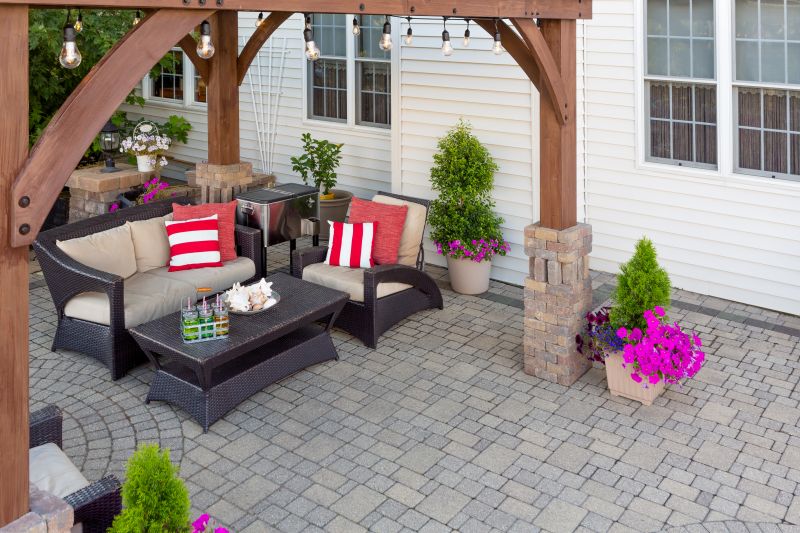
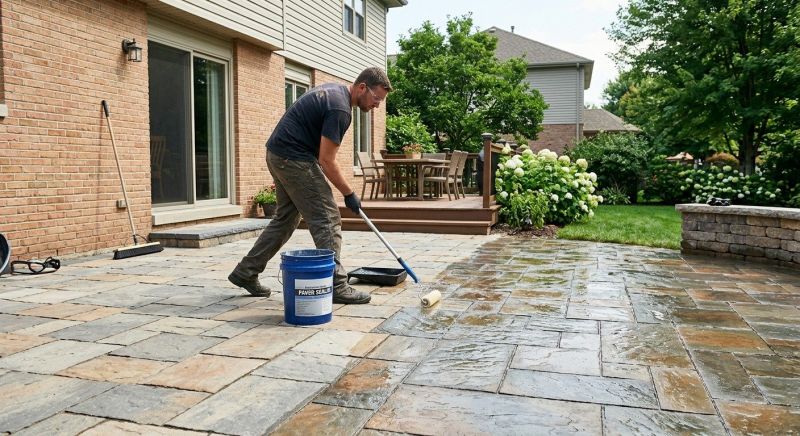
Patio sealing - creates a barrier against stains, mold, and weather-related deterioration.
Outdoor furniture sealing - preserves the appearance and durability of exposed furniture pieces.
Concrete sealing - reduces cracking and surface damage caused by moisture and temperature changes.
Stone sealing - safeguards natural stone surfaces from staining and erosion.
Pavilion Sealing Questions
What is pavilion sealing? Pavilion sealing involves applying a protective coating to the surface to prevent water intrusion and damage.
Why should property owners consider pavilion sealing? Sealing helps preserve the pavilion’s structure, extend its lifespan, and maintain its appearance.
What types of materials are used for pavilion sealing? Sealants typically include waterproof coatings suitable for wood, concrete, or metal surfaces.
How often should pavilion sealing be performed? Regular inspections can determine the need for resealing, generally every few years depending on conditions.
Request Pavilion Sealing in Kitsap County, WA
Use the quote form on this page to share the basics of your project and request more information for the type of work you need.